
Torn from the Root
After decades of listening, the lens turns inward.
A fter more than three decades of listening to the voices of Black Americans affected by transracial adoption, Rhonda M. Roorda turns the lens toward her own life.
In Torn from the Root, Roorda moves beyond the research and advocacy that have defined much of her professional life to tell a deeply personal story of identity, family, race, belonging, faith, and resilience.
The result is not simply a memoir about adoption. It is an invitation to consider what happens when the questions we spend a lifetime asking finally become our own.
A memoir that opens the conversation.
Torn from the Root has prompted conversation among reviewers, scholars, adoption professionals, and readers about the complexities of transracial adoption and the lifelong work of understanding identity and belonging.
Torn from the Root: A Memoir of a Black Transracial Adoptee
In this disturbing memoir, Roorda (In Their Voices) shares her “experience and expertise in studying transracial adoption as a Black woman, professional, adoption author, speaker, consultant, coach, and adoptee.” Roorda was born to a single mother in Rochester, N.Y., in 1969 and taken into the care of a government social services agency when she was five days old. After her birth mother had no contact with Roorda for over a year, the 14-month-old was deemed abandoned and designated for adoption. She was adopted into a white Evangelical family that routinely neglected her needs, including sweeping it under the rug when her adoptive grandfather called her the n-word. When a high school teacher molested her, she was unable to turn to her adoptive parents for support, and resorted to the tried-and-true survival mechanism she’d developed: acting as if everything was normal. Thanks to “an unwavering fire within my soul,” Roorda excelled at school, earning a master’s degree in communication. Despite her own experiences as a transracial adoptee, Roorda highlights how such arrangements can sometimes work, particularly when adoptive parents respect the backgrounds of their children. Roorda has transformed her difficult journey into a teachable one. (July)
“In Torn from the Root, Rhonda Roorda delivers a searing meditation on family and belonging, boldly probing the complexities of transracial adoption and identity with raw honesty and deep love.”
“Rhonda Roorda masterfully weaves her personal search for identity with powerful scholarship. As an adoptee approaching eighty years of life, I know what it means to be ‘ripped from the root’ and grafted elsewhere. For transracial adoptees, the challenge deepens—growing up unseen and unmirrored in one’s own home. Torn from the Root is a brave and necessary book about loss, resilience, and identity—and the enduring question of what it costs to belong.”
“In this unforgettable memoir, Roorda shatters the comforting myths that have long shielded U.S. transracial adoption from honest reckoning. Writing with rare courage and moral clarity, she traces her journey as a Black adoptee raised in a white evangelical family, exposing the spiritual, racial, and psychological costs of colorblind love. More than a memoir, Torn from the Root is a clear-eyed indictment of systems that silence adoptee truths—a bold reclamation of voice, history, and the right to forgive. Urgent, illuminating, and transformative, this book demands to be read by parents, practitioners, policymakers, and anyone committed to epistemically just family practice.”
“Youth in foster care and adoptees will relate to many of the challenges (Roorda) faced in finding her way in the world and within her own family. Torn from the Root is definitely a valuable read for those with lived experiences and others who want to understand and learn about transracial adoption.”

A story of identity, belonging, and voice.
For Rhonda M. Roorda, transracial adoption was never an abstract idea. It was the story of her own life.
Adopted as a Black infant into a white family, Roorda grew up navigating questions of race, family, identity, and belonging that would eventually shape her life's work.
After decades of writing about transracial adoption from a research and advocacy perspective, she now offers readers the intimate story behind the scholarship.
Find the BookThe questions underneath the story.
Identity
Who gets to tell us who we are?
Belonging
What does it mean to feel at home in your own story?
Family
The bonds we inherit, build, question, and redefine.
Race
The realities that shape a life across racial lines.
Faith
The beliefs, questions, and tensions that accompany the journey.
Resilience
Finding voice, meaning, and movement after loss.
Readers are finding their own questions in the story.
Coverage in Fostering Families Today highlights the way Roorda's personal story can create space for broader conversations about transracial adoption and the experiences of adoptees.
The memoir creates room for difficult questions about race and identity.
Roorda's lived experience adds another dimension to decades of professional work.
The conversation continues long after the final page.
Readers are responding.
Honest, personal responses to a memoir about identity, family, race, faith, belonging, and the lifelong importance of being heard. These reader voices reveal why this story reaches beyond adoption alone.
Transracial Adoption Has Always Been Personal
“I bought this book because I love and respect the author, and I couldn’t put it down because her story is so compelling, it NEEDS to be told.”
KellyP reflects on knowing Rhonda since college and discovering more of the story behind her lifelong work. The review speaks to the importance of listening to adoptees and respecting their right to tell their own stories.
Seeing Through Rhonda’s Eyes
“Reading of Rhonda’s perceptions and experiences within her white adoptive world showed me a different side of a community that welcomed me unconditionally.”
A thoughtful reflection on how a community can feel welcoming to one person while leaving another’s racial and cultural needs unseen.
An Important Perspective for White Folks Considering Adoption Across Racial Lines
“Raising healthy children is about more than providing a roof over a child’s head and food in her stomach.”
Rose emphasizes cultural awareness, emotional and physical well-being, and the importance of celebrating a child’s racial and cultural identity.
Must Read
“This book was absolutely amazing and I couldn't put it down. Her openness about the journey is such a vital point of view.”
Excellent Eye Opening Book!
“Her story demonstrates that a painful beginning does not have to determine the ending.”
Evalina highlights the memoir’s movement from pain and uncertainty toward self-acceptance, purpose, and belonging.
Excellent Read
“What stays with me is Rhonda’s willingness to tell her story so openly.”
Christine reflects on the memoir’s honesty and its exploration of identity, belonging, family, and the lifelong impact of early experiences.
Unfortunately Torn from Her Roots…
“She eloquently shares her truth about the highs and lows that can occur when adopting parents fail to appreciate the unique spiritual, emotional and cultural needs of transracial adoptees.”
A reader connects Roorda’s personal experience with the broader responsibilities of adoptive families.
A Firsthand Account of Transracial Adoption
“The author writes with wisdom, sorrow, faith, insight and hope.”
Lonette appreciates the vulnerability and insight with which Roorda shares her childhood, search for identity, and desire to belong.
I Couldn’t Put This Memoir Down!!
“I think you’ll be as invested and inspired by Rhonda by the end as I was.”
Lisa describes a riveting and ultimately inspiring journey, recognizing the determination it takes to keep moving forward through difficult circumstances.
Then the story
left the page.
A memoir becomes something more when readers enter the room. Across bookshops, universities, libraries, and community spaces, Torn from the Root is becoming a conversation.
The conversation continues in the room.
These moments are part of the continuing conversation around identity, adoption, family, race, belonging, and voice.
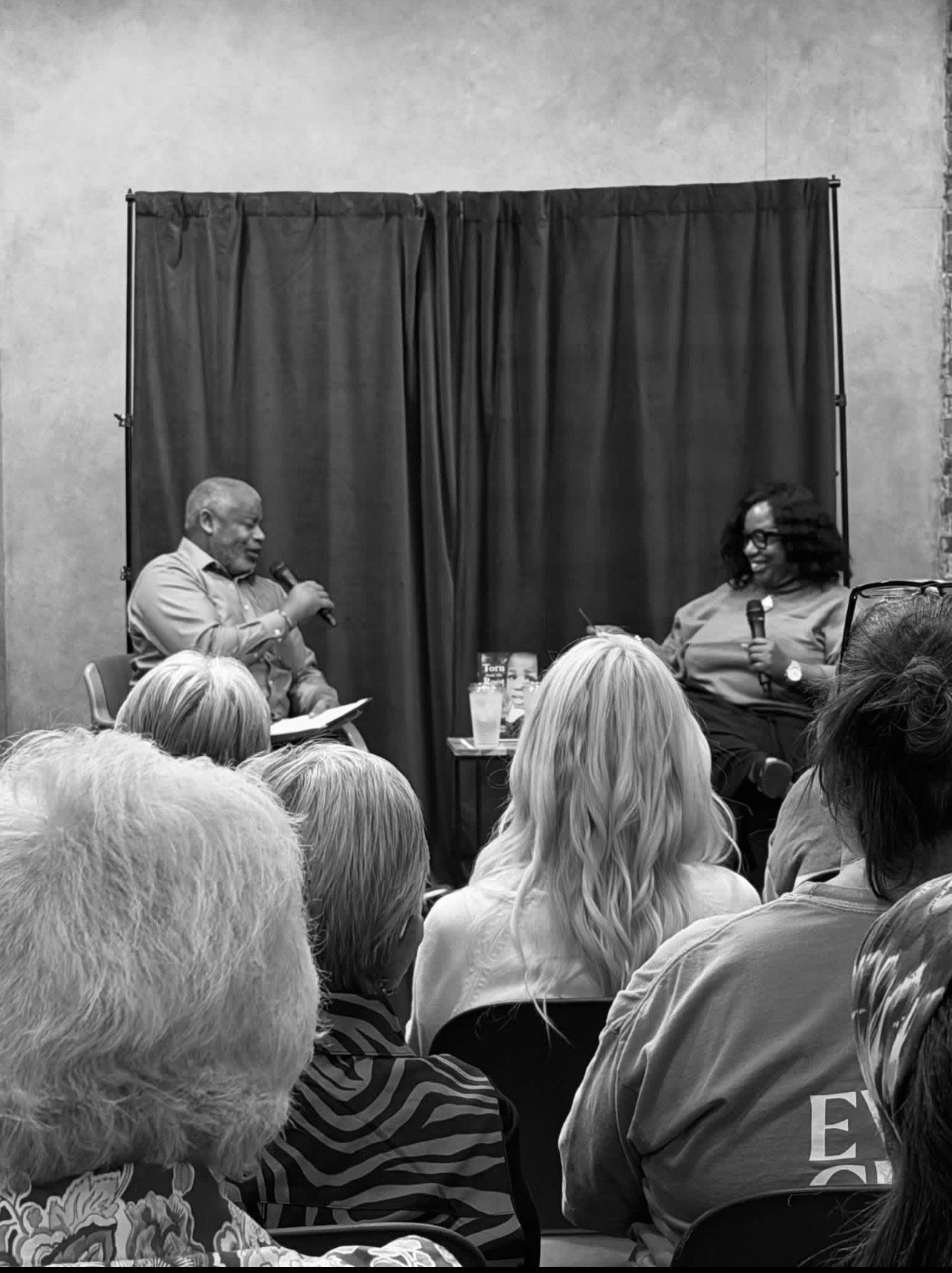
From the page to the room.
And from the room back to the page.
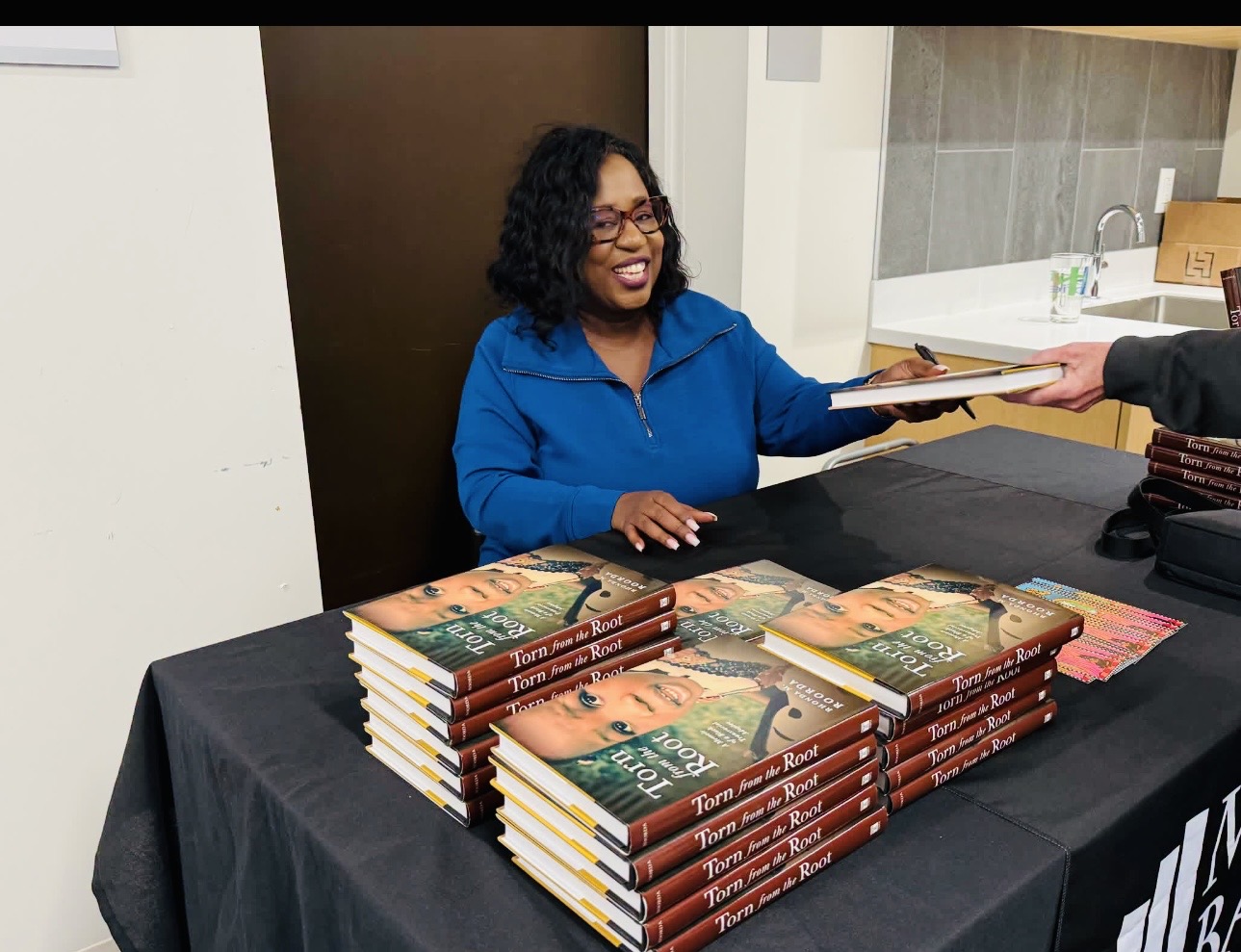
The story continues in conversation.
Every question, exchange, and personal reflection adds another layer to the story.
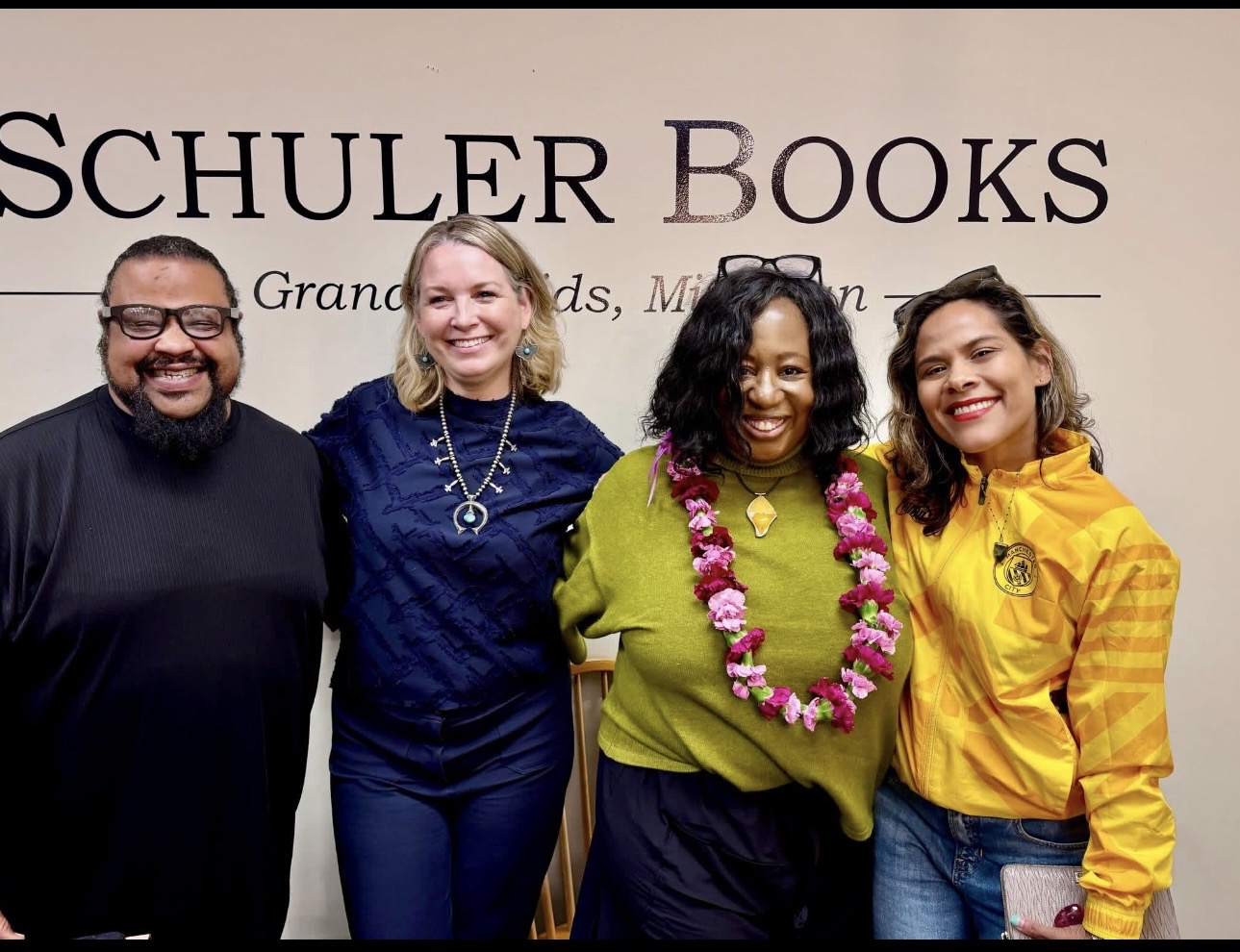
Books bring people together.
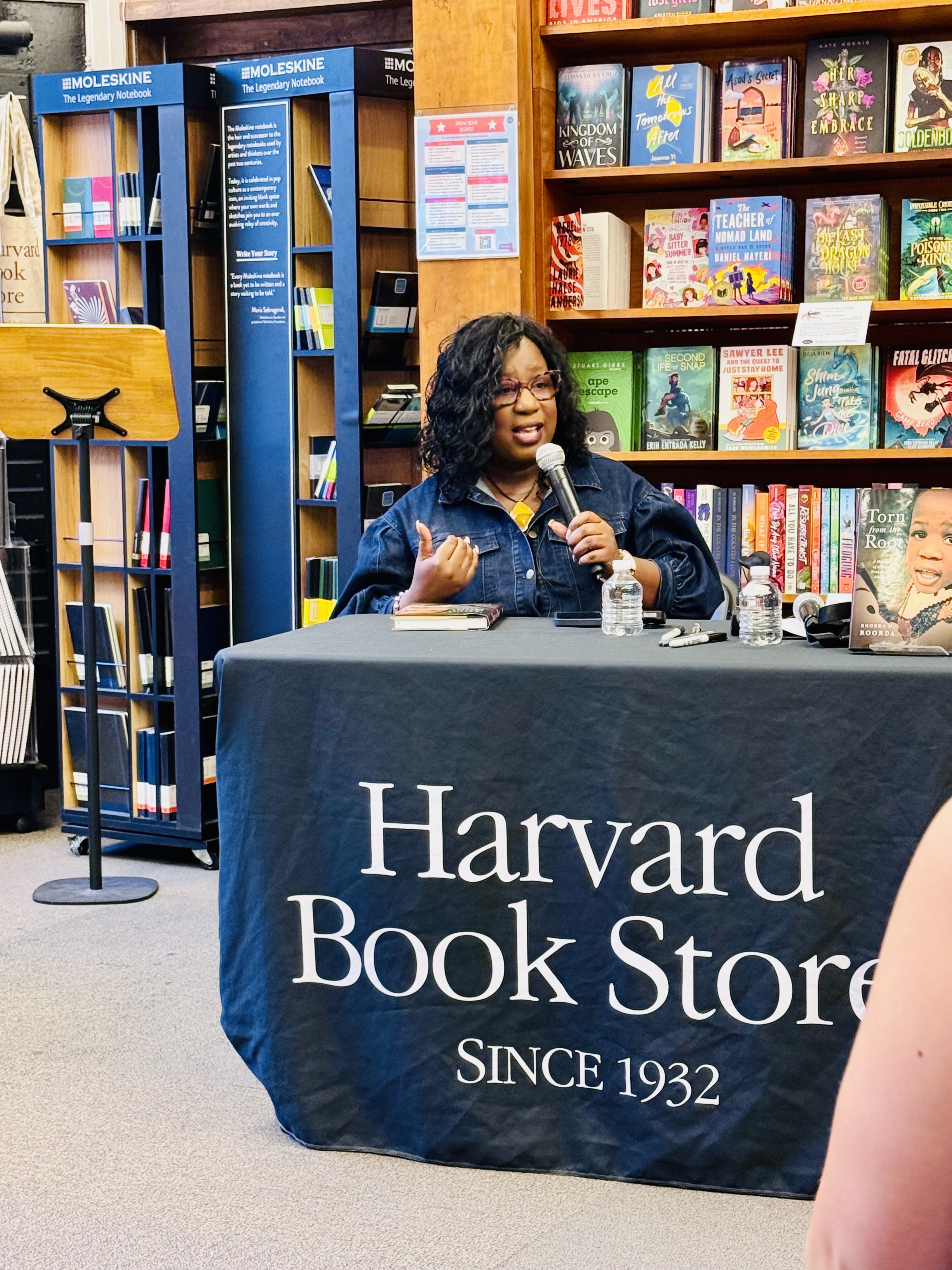
Questions make the story bigger.
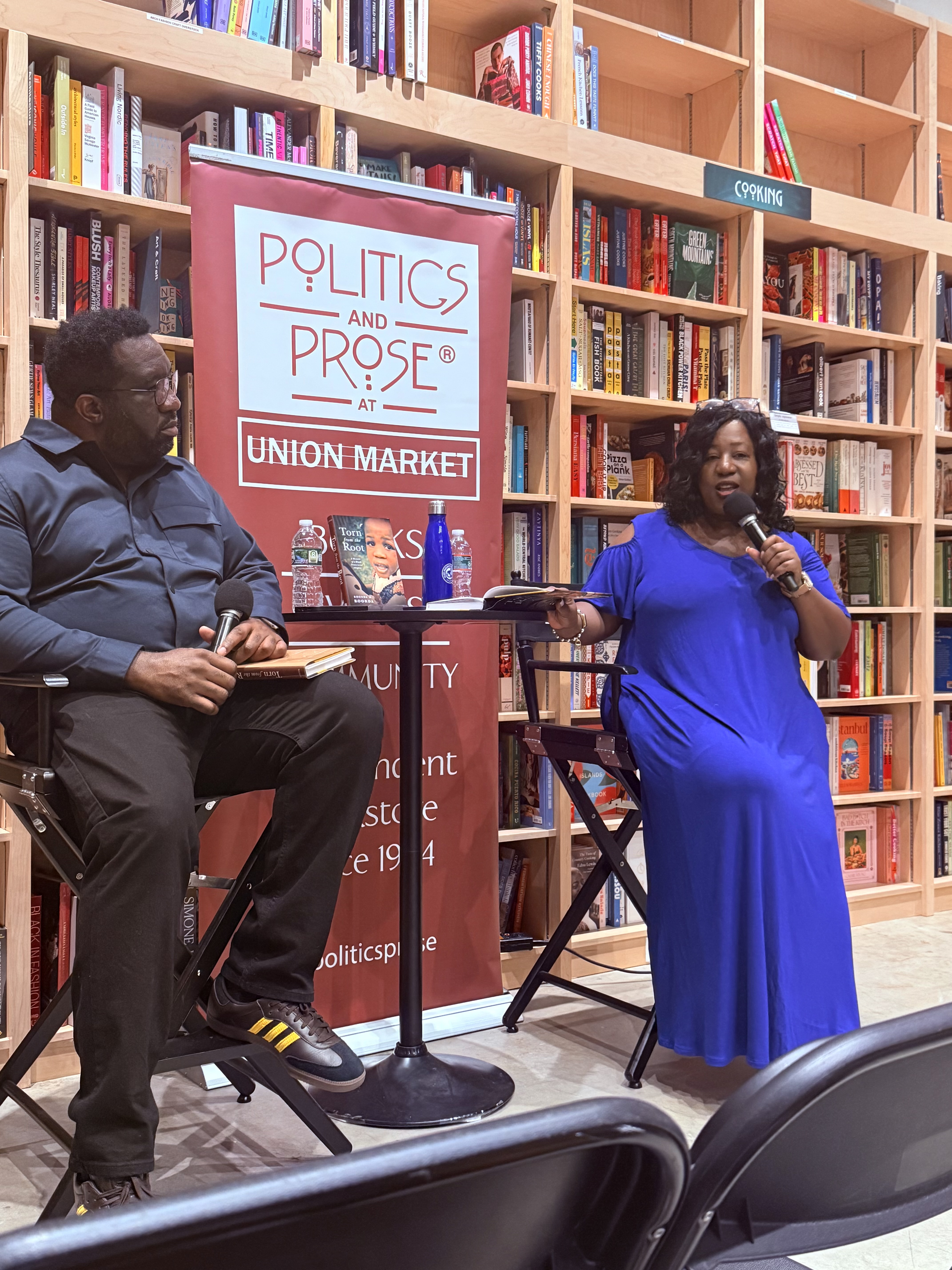
Author. Speaker. Storyteller.
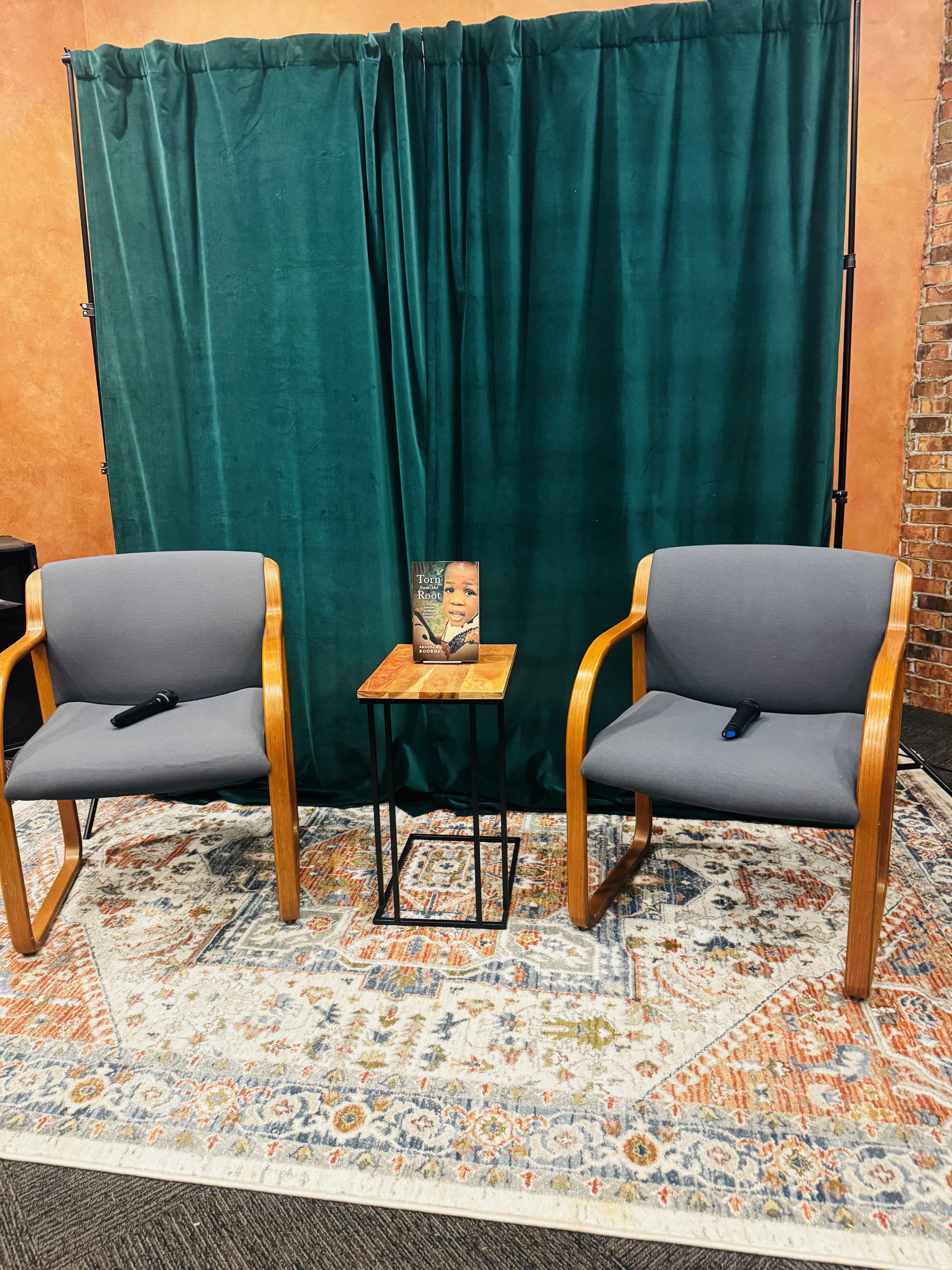
Every event begins before the first question.
Two chairs. A book on the table. A room waiting to listen. Before anyone speaks, there is already an invitation: come closer, bring your questions, and enter the story.
Every story has another chapter.
Whether you're interested in a speaking engagement, media conversation, book event, or simply want to connect with Rhonda's work, the conversation doesn't have to end with the final page.
Connect With Rhonda